
International Volunteer Experience - My time learning and understanding nutrition and humanitarian work in Sri Lanka
- eimearmartin13
- Dec 10, 2025
- 6 min read

This article summarises my volunteer experience in Sri Lanka overseen by the Nutrition Division at the Ministry of Health from October to November 2025. It outlines the skills, insights and professional growth that I have gained during my time in Sri Lanka and acknowledges all those who supported my growth during this time.
Context of my Experience
Sri Lanka is considered to be a developing, lower-middle income country. The country faces a triple burden of malnutrition which is coined by the co-occurrence of undernutrition, overnutrition and micronutrient deficiencies. Sri Lanka has advanced healthcare performance comparable to most developed countries however despite the implementation of evidence based nutrition guidelines, population nutrition indicators continue to decline. This poses significant questions about the social determinants of health and the barriers experienced by the population.
From my perspective these are the main health behaviour issues being faced by Sri Lankans today:
Food insecurity.
Moving away from traditional cooking methods and locally sourced ingredients.
The ‘Westernisation’ of the food system - the most delicious fruits and vegetables have been replaced by ultra-processed foods!
The societal transition is disproportionately affecting poorer and vulnerable communities.
Work in the tertiary sector is more common, leading to greater sedentary behaviour and lower physical activity rates (especially in young people).

The Food Landscape in Sri Lanka
Community and tradition play a very strong role in healthy behaviours and cooking methods. There is a deep and strong culture of food and drink in Sri Lanka with international influence from the Netherlands, Portugal, Britain and India. The society is also made up of Buddhist, Muslims, Christians and Hindus, who practise different traditional cooking methods.
Staple foods in the Sri Lankan diet include rice, curry, hoppers, bread, sambol and green leaves. Most meals come with a number of small dishes. For example, rice and curry usually consists of rice, two to three vegetable curries, a protein such as fish or chicken and a side of greens or vegetables. When cooked in traditional ways, these dishes take a long time to prepare.
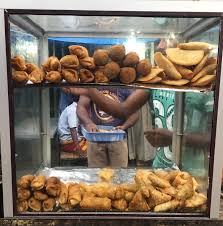
Fried and convenience foods are becoming very popular in Sri Lanka. The introduction of ‘bakery’ chains offer very cheap pastries and filled rolls which are generally lower in nutrient value. People will opt for these types of foods for breakfast and lunch due to their cheap prices and convenience.
Sri Lankan’s love tea and coffee. They will often have a number of cups a day and generally it contains a few teaspoons of sugar per cup. It is quite difficult to find coffee or tea without sugar! In addition to the sugar, bakery and café outlets usually substitute fresh milk for milk powder due to convenience and price.
It is generally agreed that Sri Lankan’s enjoy a carb heavy diet, consisting of mostly rice, bread and noodles. Rice portions are generally above the recommended amount as it is cheap and filling. One major public health problem is the country sees high overweight and diabetes levels which could be linked to these dietary patterns.


Nutrition and Healthy Lifestyle Education
The public health system, education and guidelines are extremely comprehensive in Sri Lanka. However, I worry that they are not targeted equally at all members of society. I think there is a gap in understanding and practical implementation of these guidelines among rural communities, people of lower socio-economic standing, those with poor health literacy and disabled people. Additionally, the guidelines may be too advanced for some populations. For example, someone who can hardly feed their children are not concerned with the type of food they provide.
Healthy lifestyle barriers
Affordability: Significant increases in prices post- COVID 19. The healthy option is not the cheapest option eg. rice, dahl, eggs, chicken and fish. Food inflation is a major issue.
Time constraints: Traditional cooking methods are laborious. Traditional dishes consist of a number of components or small dishes. Healthy convenience foods are harder to find eg. tinned beans.
Lifestyle changes of a developing country: Work is becoming more important leading to higher stress levels and busier lives, there is less time to prepare food (urban areas).
Knowledge and taste: People are used to the less healthy option.
Public Health Policy
Policy change is the most powerful way to change the food landscape in Sri Lanka. Powered with the strong nutrition and healthcare guidelines, the state should ensure healthy habits are accessible to all.
The healthier choice must be the easiest choice ie. subsidised healthy foods or supporting local farmers.
Focus on schools: guidelines are one way but there needs to be free school meals and education about food preparation.
Alcohol and smoking are expensive habits, taking up a significant proportion of household incomes. Tariffs will not change this, there needs to be stronger public health campaigns especially in lower socioeconomic areas.
Multisectoral nutrition action plan*
All groups of society should be involved in the formulation of policies and guidelines eg. rural, children, elderly.
*This plan is in the development stage in Sri Lanka, including multiple government sectors to create a comprehensive approach to healthy nutrition goals.
Recommended education strategies
Free community based kitchens - regular food preparation demonstrations where the community can come together to cook, learn and eat. These demonstrations will include information about how to prepare inexpensive meals using versatile ingredients that can be locally sourced from trees or plants in their own gardens.
Educational interventions must target home cooks. Eg. female home makers in rural communities.
School gardens teach children about farm to fork. This hands on experience of how food is grown and what it takes for it to be on their plates. Eg. Japanese school nutrition system.
Learning and sharing intercultural food traditions from other members of the community.
Practical Behaviour Change Strategies
I believe that most people in Sri Lanka understand what it means to be healthy but their behaviour, habits and food environment are not conducive with these guidelines. With the right strategies and practitioner care and understanding, I believe it will be easier to implement these changes.
From my experience in non communicable disease clinics in Sri Lankan hospitals, I observed that patients often understood that they should change but they didn’t know how to or they did not have the skills to do so. Using the COM-B model of behaviour change, the following strategies were formulated to aid in patient care.
Collaborative, Evocative, Autonomy outlook on the patients care. This means that the patient and clinician have a collaborative relationship where the patient feels empowered and supported to change.
Create SMART goals. Start small and build from there. The patient must feel that they are capable and that what they are aiming for is possible.
Connect the goals to their identity and values. Eg. If someone values their grandchildren, tie it to the patient being a good role model to their grandchildren.
Focusing on the positives in their current and past goals Eg. how did they change a previous behaviour? Why not apply that same process to healthy eating?
Offer alternatives to commonly consumed items eg.
Recommending a ‘healthier’ option to a convenience snack.
Reducing sugar consumption gradually (it’s an addiction) and replacing it with other ingredients such as cinnamon or banana in baking
Promoting higher fibre intake to replace rice quantity eg. legumes, dahl, other grains
Devise a plan with the patient to reinforce traditional and local cooking methods and food sources.
Preparation is key - recommend preparing large portions to sustain you throughout the week and to avoid purchasing conveniently.
Conclusions
Food and healthy habits are deeply rooted in the community. In Sri Lankan society where generations of the same family often cohabit for many years, it is essential to formulate inclusive guidelines and policies for the whole population. When healthy lifestyle practises are targeted at the community level and created collaboratively at the grass-roots level, there is greater support and belief in these systems. Communities can support each other, and healthy habits subconsciously become a way of life.
Development but tradition remains
The nation is undergoing a remarkable phase of growth, leading to profound effects on its health and culinary traditions. It is essential, in my opinion, for them to safeguard their traditional food preparation techniques and cultural practices. The replacement of traditional foods with ultra-processed alternatives needs to be controlled by policy. Food must remain a vital cornerstone of their family gatherings and celebrations.
Ayurvedic medicine is vital to Sri Lankan culture, focusing on natural remedies and viewing food as a source of therapeutic benefits. For example, ginger and garlic are valued for their antioxidant properties that boost immunity. Many elderly people prefer local Ayurvedic practitioners over conventional doctors.
As Sri Lanka modernizes, Western medicine has largely replaced traditional practices, diminishing food's medicinal role. Integrating Ayurvedic and Western medicine could improve health practices by combining scientific principles with traditional wisdom.


Comments